Design the guest flow
Start with total event attendance and the portion of guests expected to try laser tag. Those numbers are not the same as simultaneous playing capacity. Ask the provider about their available equipment, staffing, round duration and turnover so the organizer can estimate participation windows and queue needs.
Map the site and operating window
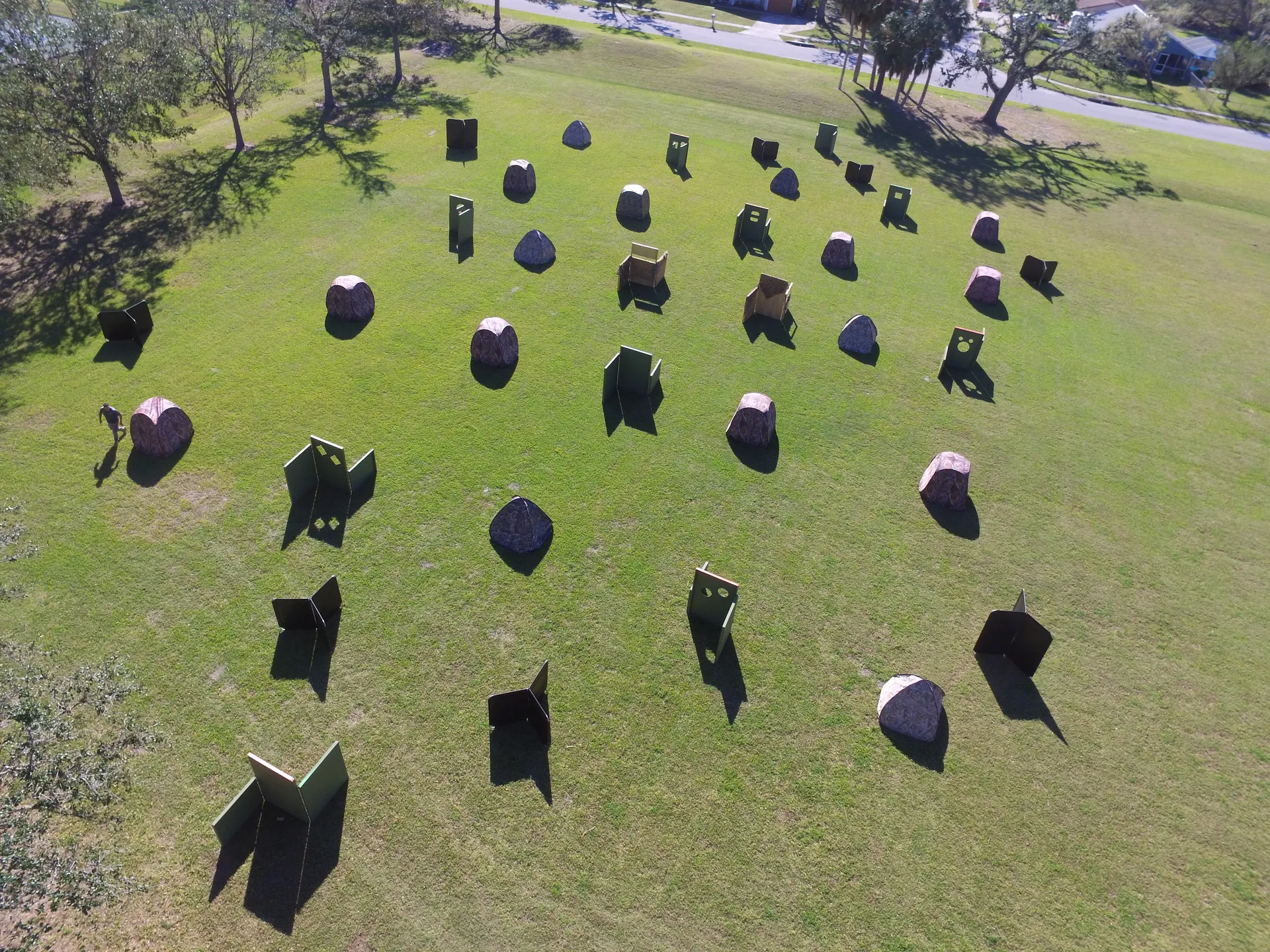
Identify the proposed footprint, audience boundaries, spectator area, entry and exit, queue space, access route and setup window. Stealth Mobile Laser Tag’s large-event information describes portable obstacle fields and managed activity, but equipment and inventory are not a network-wide standard. The operator must review site permission and suitability. Discuss lighting, power or site needs, load-in access, operating hours, staffing and pack-down time.
Choose an arrangement
Depending on the event and operator, play may be offered free to guests, ticketed, sponsored or arranged another way. Confirm who handles ticketing or payment, staff coverage, safety briefings, equipment, signage, queue management and event insurance requirements. Do not assume every operator has a large inventory or festival-ready staffing.
A named large-event example
Stealth Mobile Laser Tag publishes a large-event service page and photos of portable battlefield layouts. That is a named example of Stealth’s own service, not a capacity promise for every network operator. Use the quote request to explain your crowd estimate, expected participation, site plan and operating schedule.